Life After Sports: How Athletes Transition Successfully Into New Careers and Identities

Athletic careers are intense, identity-shaping, and often shorter than people realize. Whether an athlete competes professionally, at the collegiate level, or in a serious amateur environment, sport becomes a structure for life: training schedules, coaching relationships, performance goals, and a community built around competition. When that chapter ends—by choice or circumstance—many athletes face a transition that is both practical and emotional. The most successful transitions happen when athletes understand that the skills built in sport are transferable, but the identity shift requires intention.
The first challenge is psychological. Athletes often tie self-worth to performance. When competition ends, the feedback loop disappears: no games, no rankings, no constant measurement. This can create a sense of emptiness even when life is otherwise stable. A healthy transition begins with acknowledging that this feeling is normal. Sport provided clarity—train, perform, improve. Post-sport life can feel more ambiguous. The goal is not to replace sport immediately, but to build new sources of meaning gradually.
A major advantage athletes possess is discipline. Years of training teach consistency, delayed gratification, and resilience through setbacks. These traits translate well into careers that require long-term effort—business, entrepreneurship, coaching, education, medicine, technology, and many other fields. Athletes also understand feedback. They’ve been coached, corrected, and challenged. In the workplace, that openness to learning becomes a major advantage.
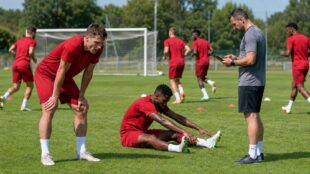
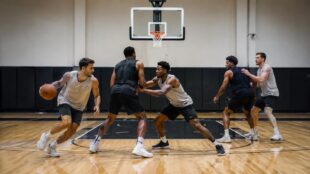
Another transferable skill is teamwork under pressure. Athletes learn to communicate, execute roles, and support others in high-stakes environments. Many corporate teams struggle with these basics, yet athletes have practiced them for years. They understand that performance is collective. They know how to show up prepared, adapt quickly, and prioritize the group outcome. These traits are valuable in leadership roles, client-facing positions, and project-driven work.
However, practical transition requires more than mindset—it requires planning. The earlier an athlete starts exploring interests beyond sport, the easier the shift becomes. Education, internships, volunteering, and mentorship can provide exposure to new paths. Even small actions—attending a workshop, connecting with professionals, learning basic industry vocabulary—build confidence and reduce the fear of starting over.
Networking is often the hidden key. Athletes sometimes underestimate how strong their networks already are. Coaches, alumni, sponsors, teammates, and sports communities can open doors to opportunities. The skill is learning to translate athletic experience into language that non-athletes understand. Instead of saying “I trained hard,” describe measurable behaviors: “I managed performance goals, worked in structured team environments, handled high-pressure deadlines, and maintained consistency over multi-year cycles.” That framing turns sport into a credible professional story.
Financial transition can be another challenge, especially for athletes whose income was tied directly to competition. Building financial literacy—budgeting, saving, planning—helps reduce stress and increases freedom to explore. Career development often involves stepping into new roles that may pay less at first, but grow over time. Athletes who plan financially can take smart risks without panic.
Physical health also shifts. Without structured training, some athletes lose routine and feel disconnected from their bodies. Others overtrain because they miss the adrenaline of competition. A sustainable approach is building a new fitness identity: training for longevity, enjoyment, and mental wellbeing rather than for rankings. This keeps the benefits of sport while releasing the pressure.
Finally, purpose matters. The most successful transitions are not about “replacing sport.” They’re about expanding identity. Sport can remain a meaningful part of life—through coaching, mentorship, community events, or simply personal training—but it doesn’t have to be the only source of pride. When athletes build new goals and communities, they carry the best parts of sport forward while creating a future that fits who they are becoming.
Life after sports is not a decline; it’s a redesign. Athletes already know how to work, how to learn, and how to keep going when it’s hard. With planning, support, and the willingness to start as a beginner again, the transition becomes a powerful new chapter—one where athletic strengths evolve into broader success.