Role Players and the Invisible Work That Holds a Team Together
Every team has athletes who appear in highlights, lead advertising campaigns, and become the first names mentioned after a win. Their points, goals, assists, records, and decisive plays shape the public memory of a season. But behind every visible star there is another kind of athlete, one who may not dominate the scoreboard but quietly protects the structure of the team. These are the role players, the bench contributors, the defensive specialists, the training partners, the calm voices in the locker room, and the athletes who do essential work without receiving star treatment.
Their value is easy to underestimate because modern sports culture loves simple stories. A match becomes a story about the scorer. A season becomes a story about the franchise player. A comeback becomes a story about the captain. Yet inside the team, success is rarely that simple. A winning group depends on people who accept difficult roles, fill gaps, absorb pressure, practice hard without guaranteed minutes, and keep the emotional temperature stable when attention moves elsewhere.
The Work That Does Not Fit Into Highlights
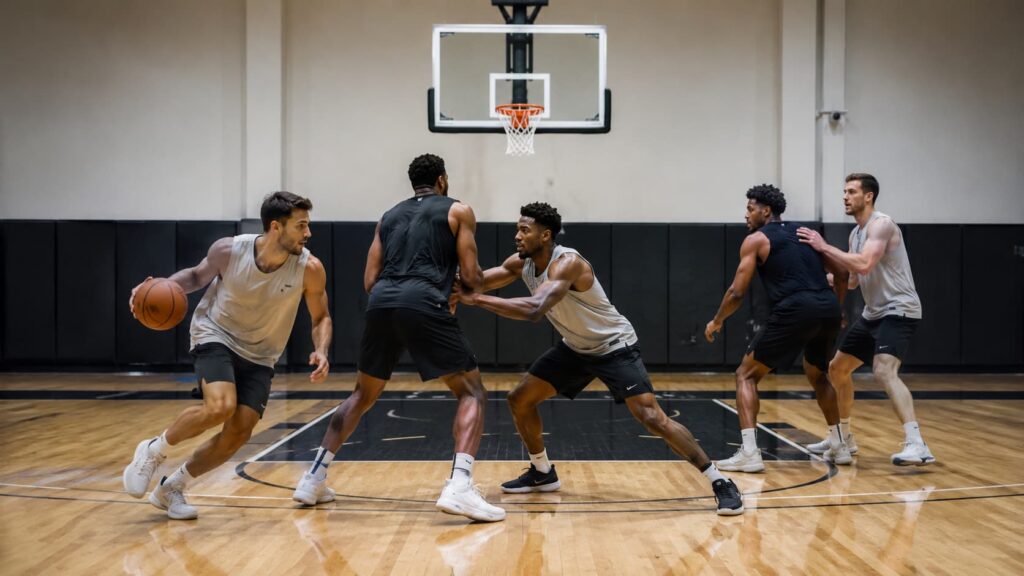
The most visible parts of sport are designed for quick recognition. A dunk, a goal, a sprint finish, a dramatic save, or a match-winning shot can be replayed instantly. Role players often do work that does not translate as cleanly. They set screens, close passing lanes, track runners, cover defensive space, pressure opponents, box out, communicate switches, force uncomfortable decisions, and make the extra pass before the assist.
This work may not look spectacular, but it changes games. A star player can shine more because someone else takes the hardest defensive assignment. A striker can stay fresh because another forward presses defenders for seventy minutes. A basketball scorer can find space because a teammate keeps moving without the ball. A tennis doubles team can win because one player controls positioning and protects the rhythm while the other takes the obvious finishing shot.
The audience may miss these details. Coaches rarely do. Inside professional sport, a player who understands small responsibilities can become more valuable than a more talented athlete who needs the game to revolve around them.
The Discipline of Accepting a Role
Being a second-line athlete is not the same as lacking ambition. In many ways, it demands a more complicated form of discipline. A star is allowed to play through mistakes. A role player may not be. One bad decision can reduce minutes. One missed assignment can change their place in the rotation. That creates a difficult psychological environment: the athlete must stay ready, confident, and committed while knowing that the opportunity may be limited.
This is especially hard for players who were stars at junior, college, or academy level. Many professional athletes spent their early careers as the best player on every team. Then they enter a higher level where everyone is talented, and suddenly their survival depends on doing less visible work. They must rebuild their identity. Instead of being the main scorer, they become the defensive anchor. Instead of taking every important shot, they create space. Instead of controlling the game, they stabilize it.
Not every athlete can make that transition. It requires humility, but not weakness. It requires ego control, but not the absence of self-belief. The best role players know exactly who they are. They do not disappear. They specialize.
Practice Players and the Hidden Standard
One of the most invisible roles in team sport belongs to athletes who raise the level of practice. Some players may not start matches, but they make starters better every week. They compete hard in training, imitate opponents, test tactical plans, and force the first team to stay sharp.
This work matters because performance is built before the arena lights come on. A team that practices slowly often plays slowly. A team that trains without resistance becomes fragile. Strong bench players and squad members create internal pressure. They make every session more honest.
There is also an emotional side to this. A player who trains intensely despite limited public reward sends a message to the group: standards are not only for the stars. When that attitude spreads, the whole team becomes harder to break. When it disappears, even talented teams can become soft.
Locker Room Leadership Without a Microphone
Leadership is usually associated with captains, interviews, and speeches, but some of the most important leadership in sport happens quietly. A veteran on the bench may notice when a younger player is losing confidence. A substitute may calm a teammate after a mistake. A squad member may challenge lazy habits before they become a bigger problem.
These athletes often understand team mood better than anyone because they live between groups. They are close enough to the main rotation to understand competitive pressure, but they also spend time with players who are waiting, frustrated, injured, or uncertain. That gives them a special kind of emotional intelligence.
Not every leader needs to be loud. Some hold the team together by being steady. They show up early, prepare seriously, respect staff, help young players, accept tactical changes, and avoid turning disappointment into poison. In long seasons, this matters as much as one spectacular performance.
The Pressure of Being Useful Without Being Celebrated
There is a cost to invisible work. Athletes are human. They notice when media attention goes elsewhere. They know when fans do not understand their role. They hear criticism based only on statistics. A defender who prevents danger before it becomes obvious may be called quiet. A midfielder who protects balance may be called ordinary. A bench player who changes the tone of practice may never receive public credit.
This can be emotionally difficult because professional sport measures value constantly. Contracts, minutes, selection, sponsorship, and public reputation can all depend on visibility. The athlete who does hidden work must believe in value that is not always applauded.
Teams have a responsibility here. Coaches and organizations should not only praise stars in public. They should explain role value, reward professional habits, and create a culture where contribution is understood broadly. When athletes feel seen internally, they are more likely to keep doing the work that others miss.
Why Great Teams Need More Than Stars
A team made only of stars is not automatically a great team. Someone must sacrifice touches, defend, run, communicate, cover space, and accept uncomfortable assignments. Someone must hold shape when the game becomes emotional. Someone must stay ready after weeks without major minutes. Someone must care about the group more than personal recognition.
This is why role players often become the difference between talent and winning. They give the team balance. They allow stars to operate in cleaner conditions. They reduce chaos. They make tactics possible. They protect the emotional life of the squad.
In the end, sport is not only built on brilliance. It is built on trust. Stars may define the ceiling of a team, but role players often define its floor. They make sure the group does not collapse when form drops, injuries arrive, or pressure grows.
The athlete without star status is not outside the story. They are part of the structure that makes the story possible. Their work may be quiet, but it is not small. In many teams, it is the invisible work that keeps everything standing.